Interview with Jonas Cedenwing, CTO of Telness Tech

We sat down with Jonas Cedenwing, CTO of Telness Tech, to discuss the real cost of building everything yourself and the advantages of a platform designed for automation from day one.
Q: Everyone talks about APIs as the modern way to build a telco. What’s your view?
APIs are absolutely essential. They’re the backbone of any modern telecom architecture. They give you flexibility, extensibility, and the freedom to integrate with anything.
But APIs alone are not enough to run a telco. APIs should extend your business — they shouldn’t become your business. It’s where API-only vendors fall short — leaving you to build the hard parts yourself.
Q: What do you mean by “API-only”?
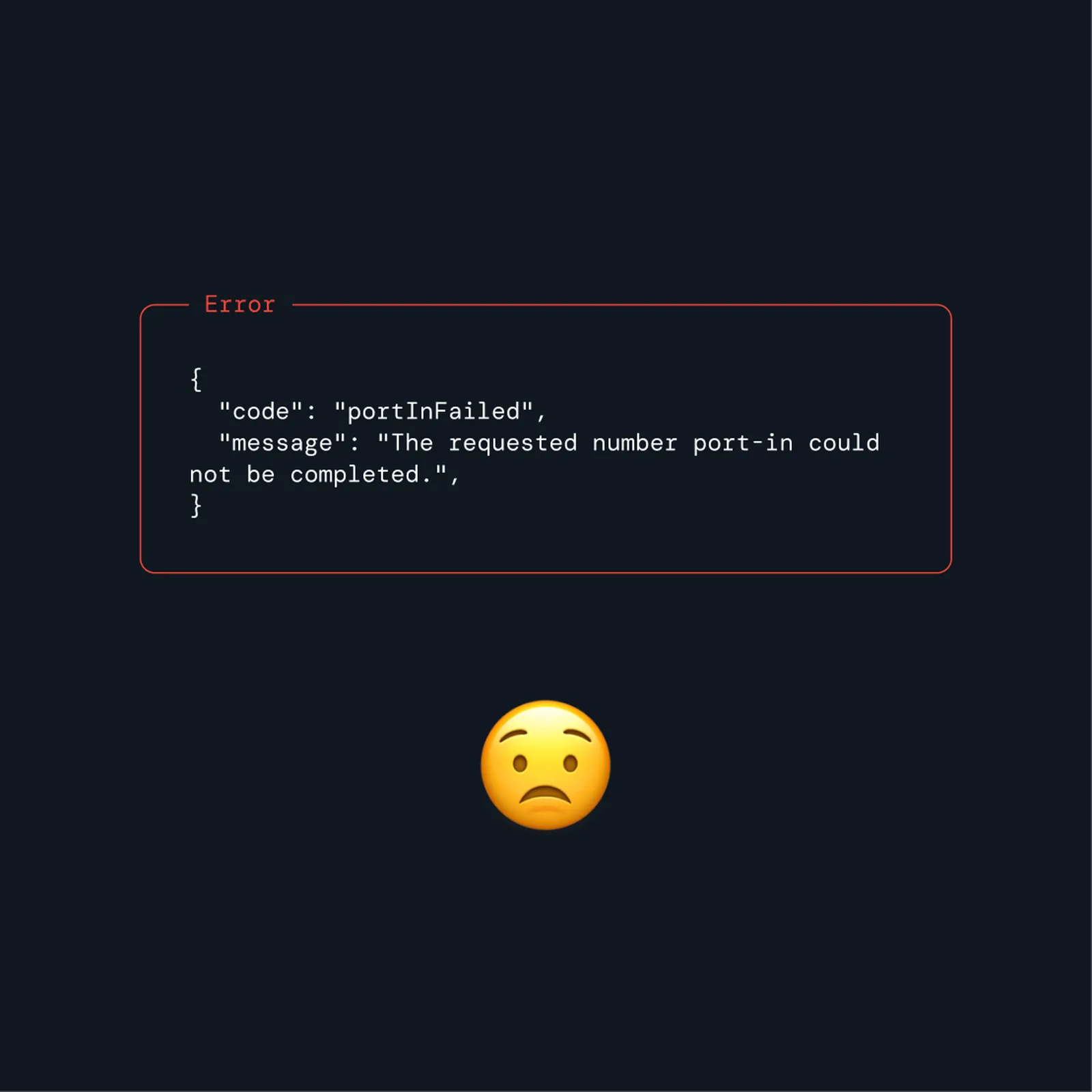
When a vendor gives you endpoints but no orchestration, you’re left building all the telecom processes yourself: provisioning, activation, portability, top-ups, suspensions, dunning, billing — the list never ends.
What starts as “freedom to build” almost always turns into rebuilding the basics. Your engineers suddenly have to become telco experts, and that’s not what most operators want to spend their time or budget on.
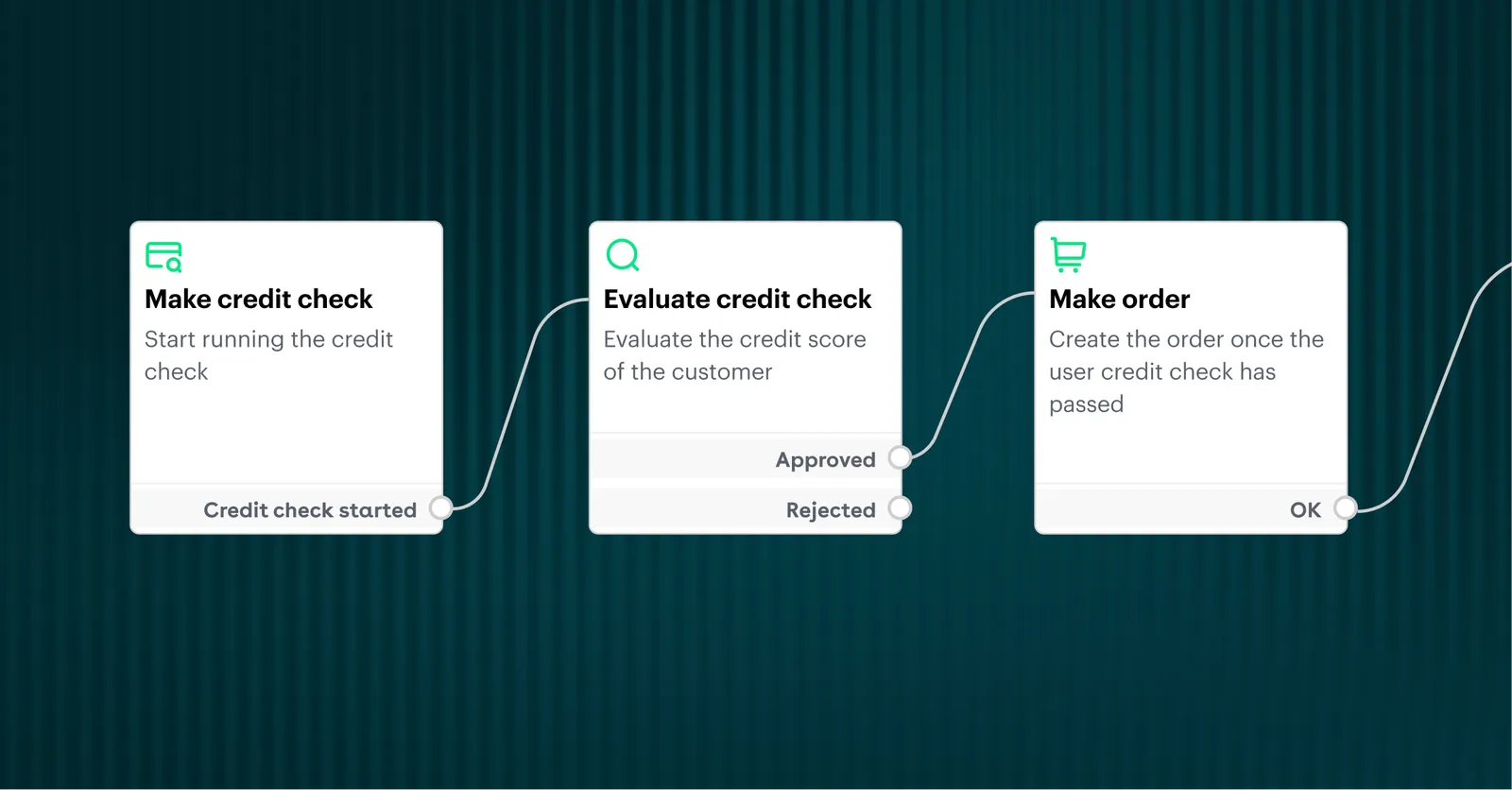
Telness Tech goes beyond just API:s - Seamless OS handles automation and the full lifecycle of a customer.
Q: So the real issue isn’t the APIs themselves?
Exactly. The challenge isn’t APIs — it’s the lack of a platform around them.
APIs should be used where you want to differentiate. But if APIs are the only tool you get, you end up owning orchestration, lifecycle logic, workflows, error handling, and integrations.
You’re effectively handed the entire telco complexity.
Q: What problems do operators typically run into with API-only solutions?
Three things show up very quickly:
- No orchestration or logic__: APIs connect systems, but they don’t coordinate or manage your business rules.
- Endless integration work__: Every feature you want to launch becomes another development project — more code, more testing, more maintenance.
- Invisible costs__: Devs, infra, bugs, delays — none of that shows up in the vendor pitch, but it absolutely shows up in your budget.
APIs are powerful, but only when used purposefully and supported by a real platform.
Q: How can an operator tell if a vendor is giving them a toolkit rather than a platform**?**
There are a few simple questions that reveal everything:
How can I change what happens when an API is called?
If the answer is “you implement it yourself,” it’s a toolkit.
How is automation built?
No workflow UI or rules engine? You’ll be building automation yourself.
How are new products launched?
If every plan or add-on requires developer work, it’s not a platform.
How are updates rolled out?
If every change needs code deployment or reintegration, you’ve bought the plumbing, not a platform.
How many engineers do I need?
If the vendor expects a large integration team, that tells you everything.
What actually drives time-to-market?
If it depends on how quickly you can code — not how quickly you can configure — you’re dealing with a toolkit.
These questions cut through the marketing very quickly.
Q: What does a modern approach look like instead?
The principle is simple: Use plug-and-play whenever possible. Use APIs to differentiate.
Operators need:
- Ready-made orchestration
- Pre-built lifecycle logic
- Battle-tested workflows
- Fast configuration tools
- APIs and webhooks for deep customization
But they also need:
- Flexibility
- Extensibility
- The ability to build unique customer journeys
You shouldn’t have to choose between the two.
We should be using APIs where they actually differentiate — customer experience, bundling models, pricing logic, partner integrations — not for the baseline plumbing every operator already needs. If the foundation is already built, teams can finally spend their time on APIs that move the product forward instead of recreating the ones that simply keep it alive.
Q: How does Seamless OS solve this, and what’s the real impact for an operator choosing Seamless OS over an API-only vendor?
Seamless OS combines both worlds. It’s a full operating system for telecom with everyting they need.
We handle the telecom complexity so operators can focus on their business — not on wiring together infrastructure. It’s the difference between building a telco and running one.
While others are still solving number portability, our customers are already live and planning their next campaign.
With Seamless OS, you launch quickly, operate efficiently, and extend intelligently — using plug-and-play where it makes sense and APIs where you want to differentiate.
That balance is what modern telecom requires.
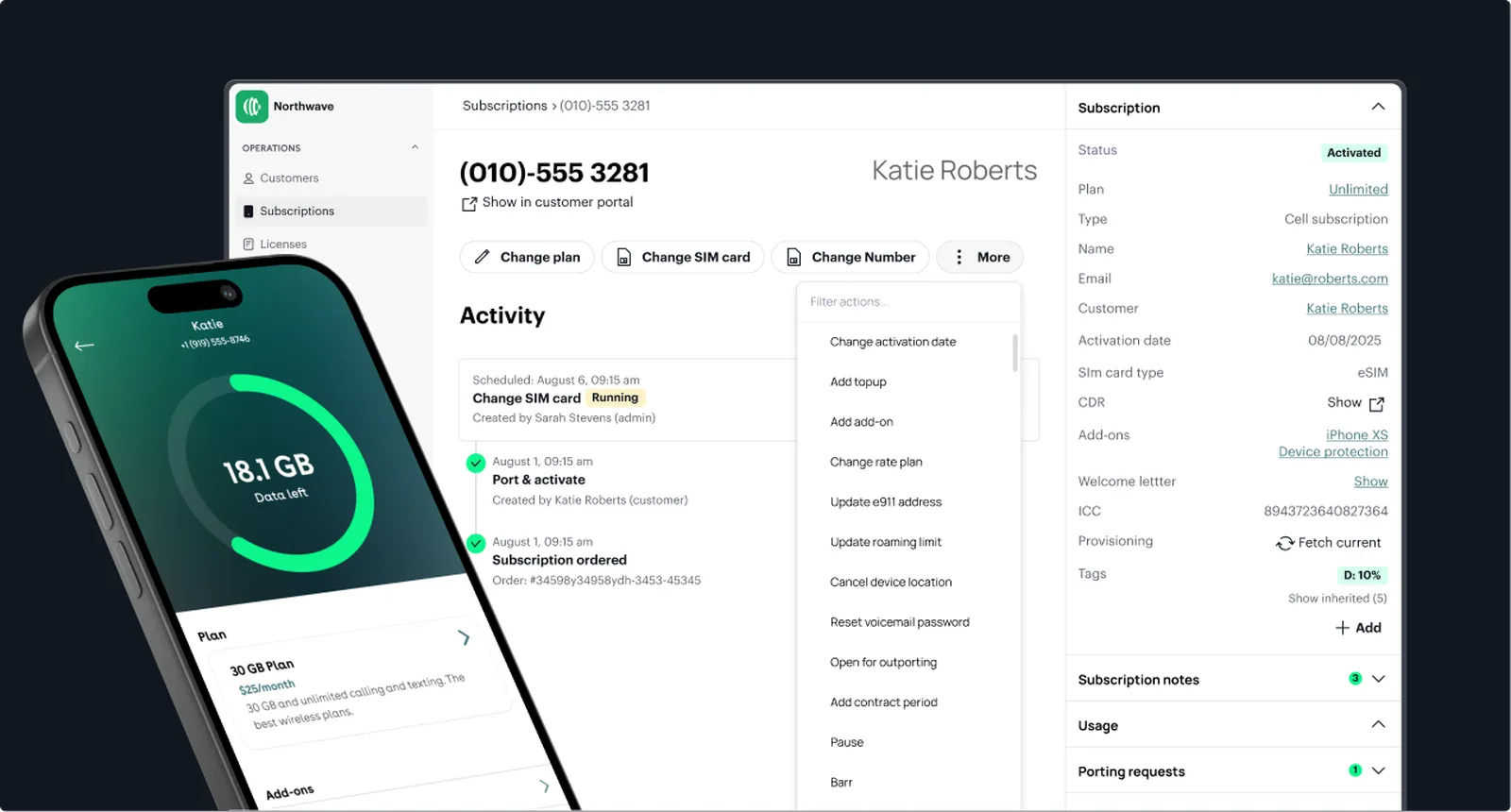
Curious how we do it?
Our team is always open to chat — whether you’re exploring or ready to move.